

Aluminum Hydroxide Safety Data Sheet (SDS): Key Hazards and Handling Guidelines
Date: January-13-2026 Categories: News、Aluminium Hydroxide Views: 450
The aluminum hydroxide safety data sheet (SDS) provides essential information on hazards, handling, storage, and workplace safety.
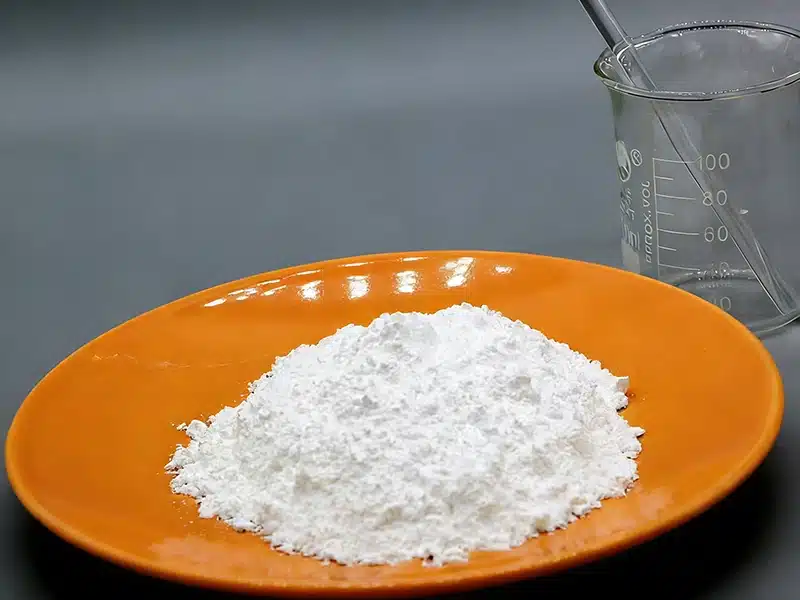
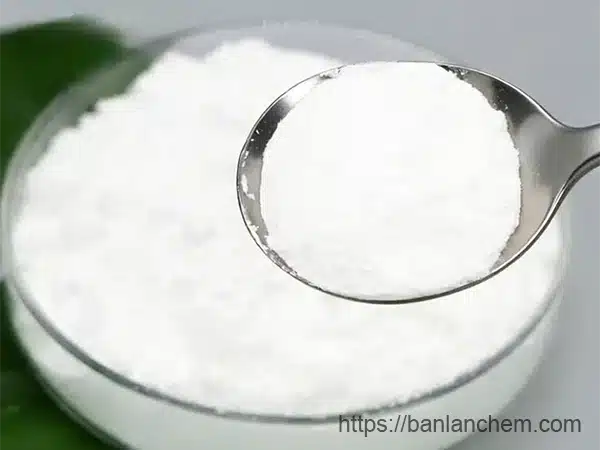
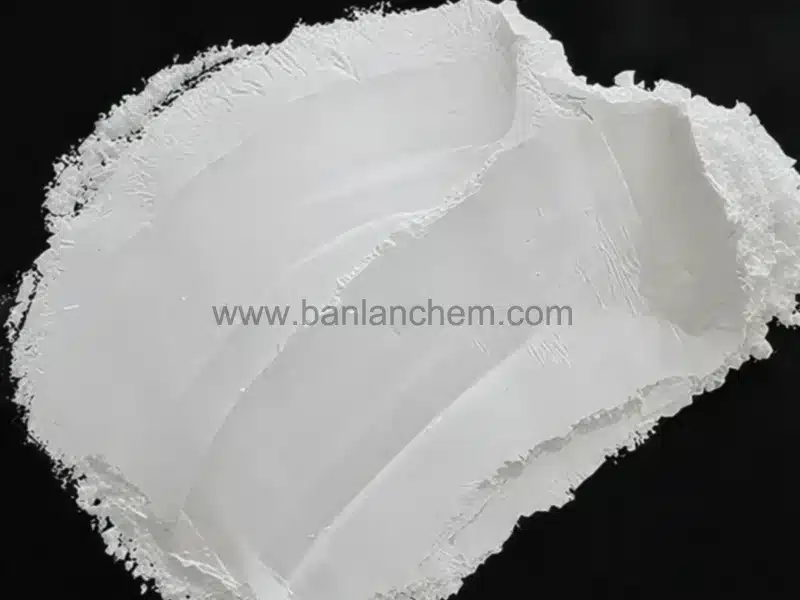
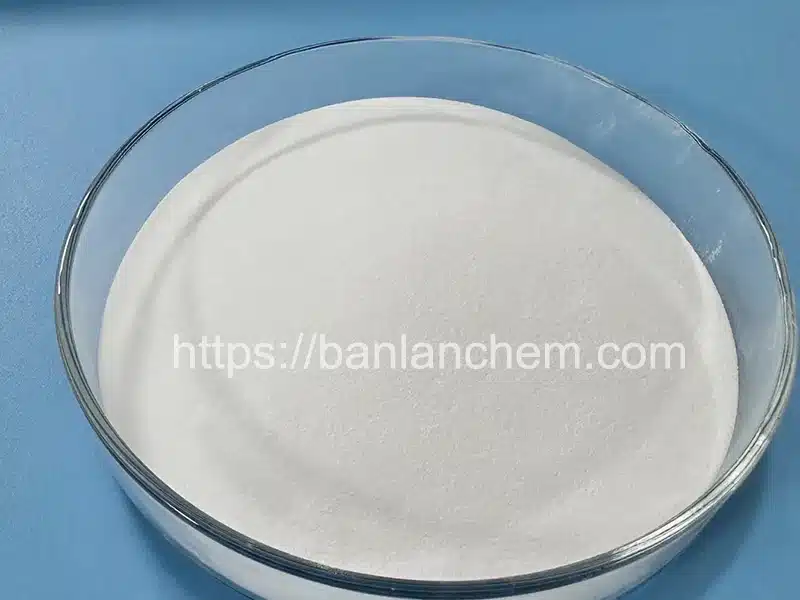
In industrial supply chains, aluminum hydroxide is widely used as a halogen-free flame retardant filler, smoke suppressant, and functional industrial additive. It is commonly referred to as ATH or aluminum trihydrate.
Under standard industrial conditions, aluminum hydroxide is generally not classified as a hazardous chemical. However, correct interpretation of its Safety Data Sheet (SDS) remains essential. This helps maintain a controlled and safe working environment during routine operations.
Related reading: Is Aluminum Hydroxide Safe? and industrial applications of aluminum hydroxide.
Table of Contents
- Hazard Identification and Reaction Risks
- Dust Exposure and Workplace Safety
- Safe Handling and Personal Protective Equipment (PPE)
- Storage and Spill Response
- Safety Management Focus
Hazard Identification and Reaction Risks
According to GHS and OSHA hazard communication standards, aluminum hydroxide is typically not classified as a hazardous substance or mixture. Its NFPA ratings for health, flammability, and instability are all 0.
This classification does not indicate absolute safety. Operational risks may still exist under certain conditions.
Chemical stability
Aluminum hydroxide is stable at ambient temperature and under expected storage pressures.
Incompatible materials
The material reacts exothermically with strong acids. It may also react violently with strong oxidizing agents.
Fire conditions
Aluminum hydroxide itself is non-combustible. When exposed to heat during a surrounding fire, decomposition may occur. Hazardous vapors, such as aluminum oxide, may be released. Thermal decomposition typically occurs between 150 °C and 300 °C.
Dust Exposure and Workplace Safety

In industrial environments, the primary risks associated with aluminum hydroxide are related to its physical dust form.
Inhalation risk
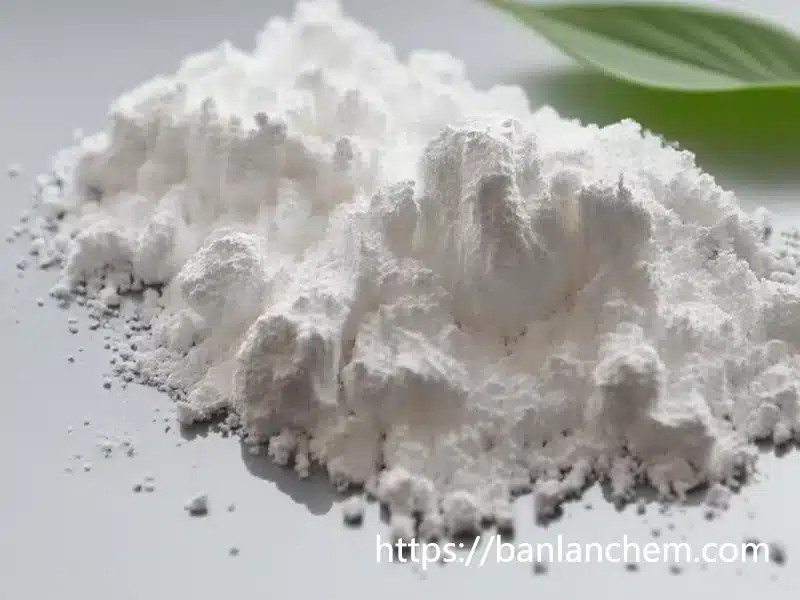
Fine powder can become airborne during charging, mixing, or bag-opening operations. Inhalation of dust may cause respiratory irritation.
Exposure limits
Occupational exposure limits defined by ACGIH (TWA) for respirable particulate matter are commonly recommended at 1 mg/m³.
Mechanical irritation
Direct contact between powder and the eyes or skin may result in mechanical irritation.
Slip hazard
Powder accumulation on floors may create slippery surfaces. This increases the risk of slips and falls in production areas.
In practical manufacturing environments, dust control and routine housekeeping are often the main operational concerns when handling ATH powder.
Safe Handling and Personal Protective Equipment (PPE)
To reduce exposure risks, appropriate engineering controls and personal protective measures should be implemented.
1) Engineering controls
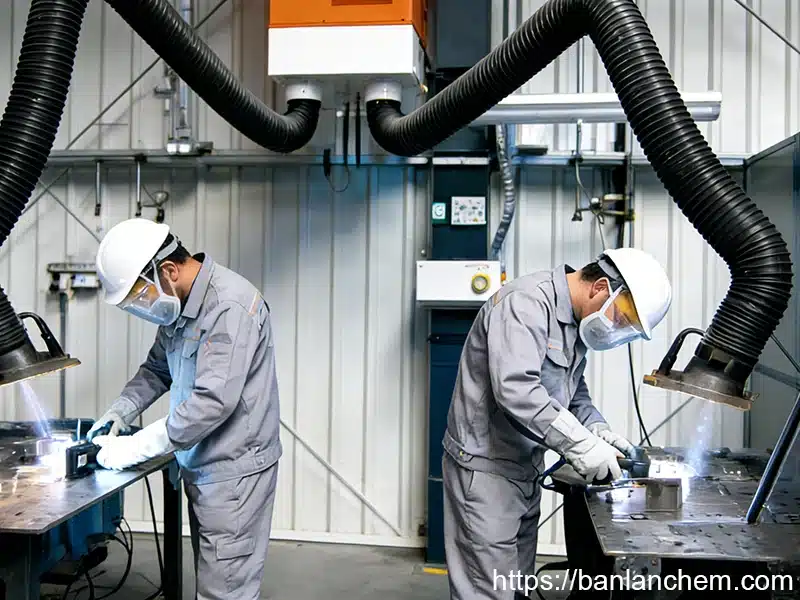
Local exhaust ventilation should be installed at points where dust is generated. For high-throughput production lines, enclosed conveying systems are recommended.
2) Respiratory protection
In dust-generating environments, certified P1 particulate filters should be used. These filters provide a minimum filtration efficiency of 80% for airborne particles.
3) Skin and eye protection
Operators should wear safety goggles with side shields. Nitrile rubber gloves are recommended. Typical glove thickness is approximately 0.11 mm, with a permeation time greater than 480 minutes.
4) Handling practices
Powder should be added slowly to reactors or mixers. This helps reduce dust release and limits material agglomeration.
Storage and Spill Response
Proper warehouse management supports both product quality and workplace safety.
Storage conditions
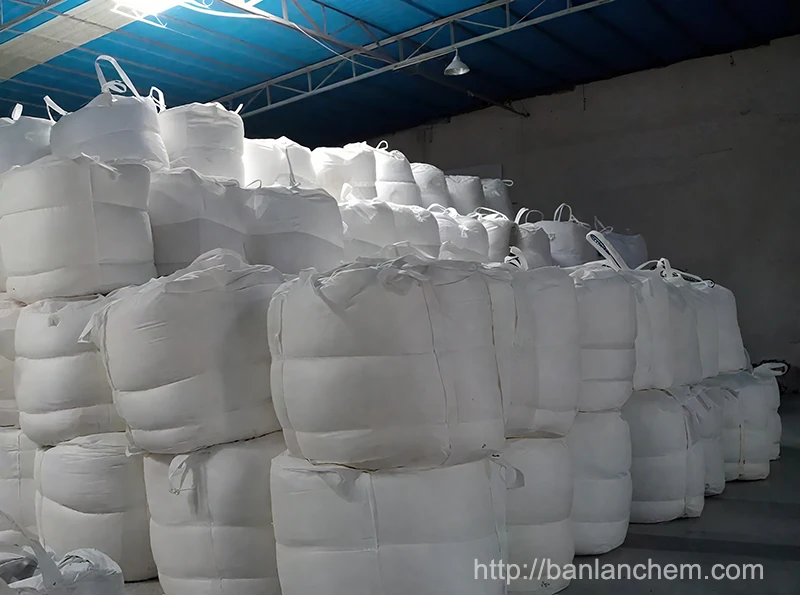
Containers should remain tightly closed when not in use. Storage areas should be dry, clean, and well ventilated. A recommended storage temperature range is 15–25 °C.
Spill control
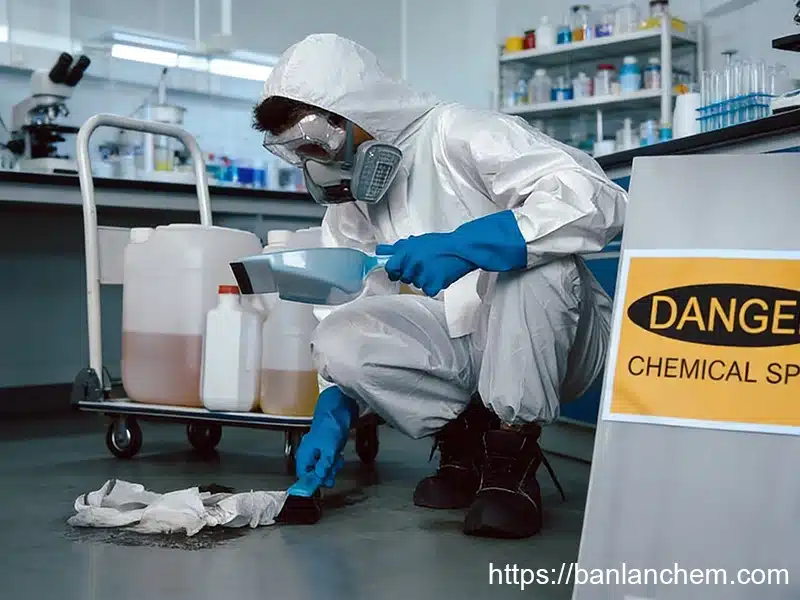
In the event of a spill, dry mechanical collection methods should be used. Collected material should be placed into sealed containers. High-pressure water jets must not be used. Dry sweeping that may generate dust should also be avoided.
Environmental protection
During cleanup, drains should be covered. This prevents material from entering sewers, surface water, or groundwater systems.
Safety Management Focus
Although aluminum hydroxide is chemically mild, safety management in industrial operations should focus on practical control measures. These include dust management, segregation from incompatible materials, and correct use of personal protective equipment.
All personnel should review and follow the SDS instructions specific to the supplied grade before use.
Manufacturer, Supplier, Factory, Wholesale Support
Banlan is an aluminum hydroxide Manufacturer and Supplier serving industrial customers worldwide. Our Factory provides stable quality control and export-ready documentation, including SDS and COA. We offer Wholesale ATH powder for flame retardant filler and industrial additive applications. Visit https://banlanchem.com to learn more.