

Aluminum Hydroxide vs Magnesium Hydroxide: Which Flame Retardant Is Better?
Date: December-17-2025 Categories: News、Aluminium Hydroxide Views: 292
Many engineers and buyers ask the same question: Aluminum Hydroxide vs Magnesium Hydroxide—Which Flame Retardant Is Better?
Both are widely used halogen-free flame retardants. Both can reduce smoke and heat. But they are not the same.
This guide compares aluminum hydroxide vs magnesium hydroxide in a clear and practical way. You will learn how they work, where they fit best, and how to choose the right grade for your application.
Table of Contents
- Quick Answer
- What Is Aluminum Hydroxide (ATH)?
- What Is Magnesium Hydroxide (MDH)?
- How ATH and MDH Work as Flame Retardants
- Aluminum Hydroxide vs Magnesium Hydroxide: Key Differences
- Which One Is Better by Application?
- Filler Loading, Processing, and Compatibility
- Common Standards and Test Notes
- How to Choose a Reliable Manufacturer / Supplier
- FAQ
Quick Answer
- ATH (Aluminum Hydroxide) is often the first choice for low to medium processing temperatures. It is cost-effective and widely available.
- MDH (Magnesium Hydroxide) is often better for higher processing temperatures and applications needing stronger heat resistance.
So, Aluminum Hydroxide vs Magnesium Hydroxide is not “one wins everywhere.” The better flame retardant depends on your polymer, process temperature, target rating, and budget.
What Is Aluminum Hydroxide (ATH)?
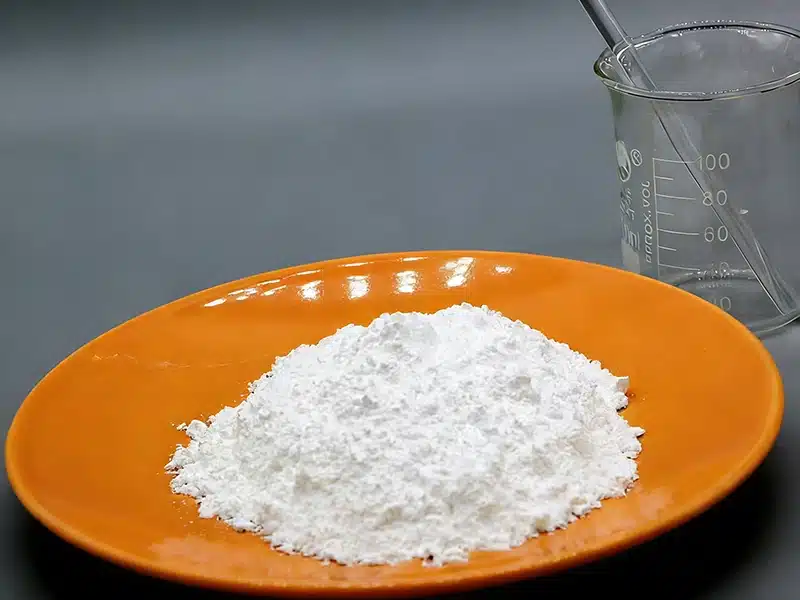
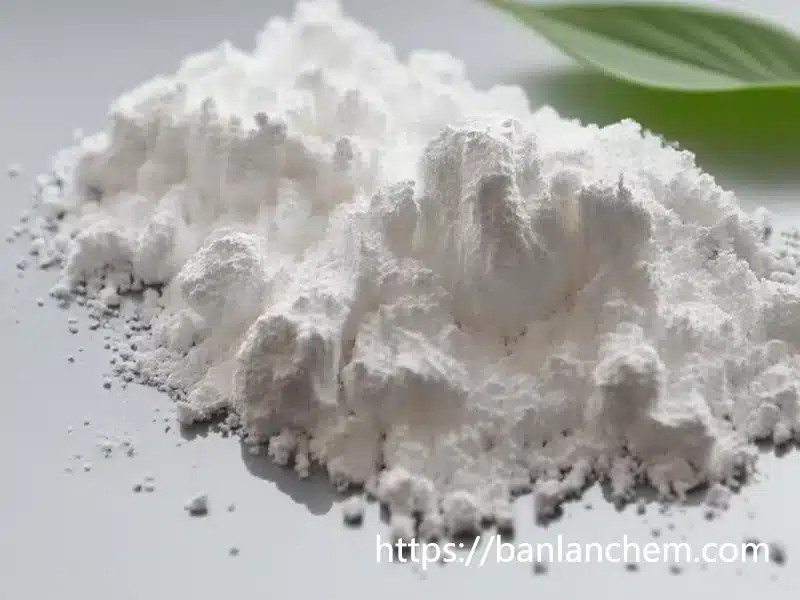
Aluminum hydroxide Powder, also called alumina trihydrate (ATH), is a halogen-free flame retardant filler. It is known for clean decomposition and smoke reduction.
- Common name: Aluminum Hydroxide / Alumina Trihydrate / ATH
- Role: Flame retardant filler and smoke suppressant
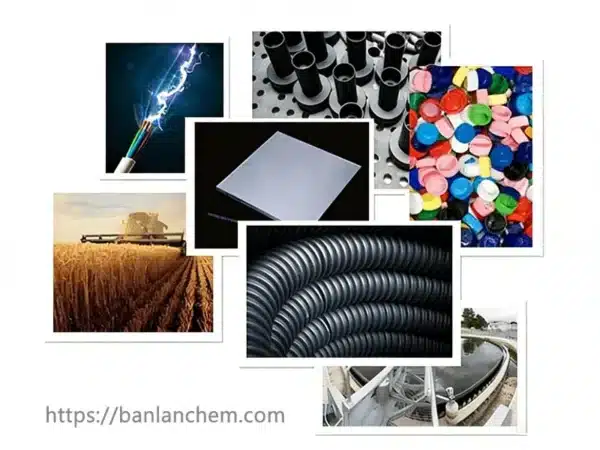
- Typical uses: Cables, rubber, insulation foam, plastics, composites
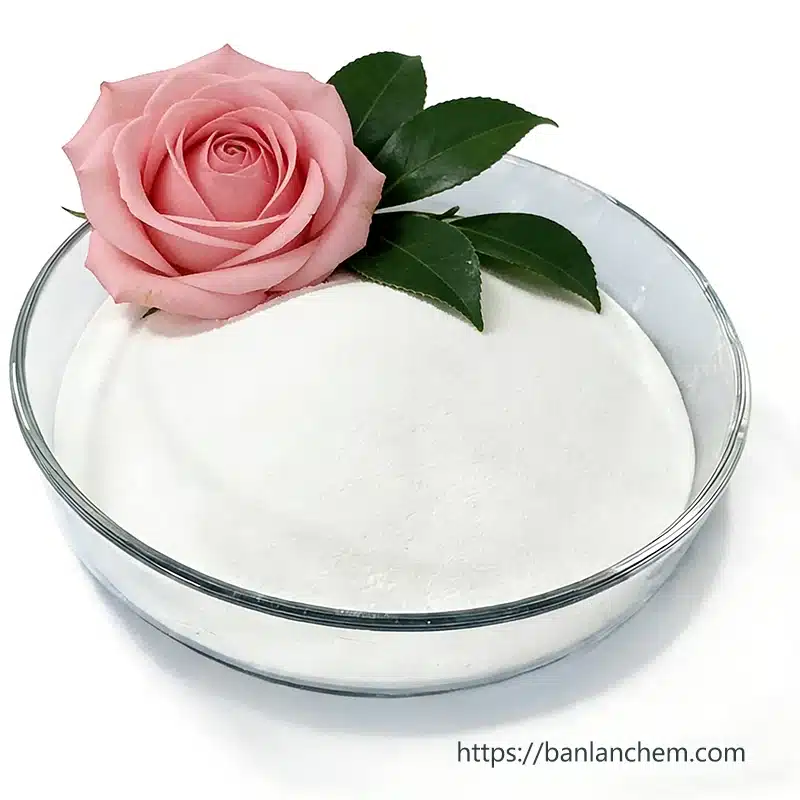
If you need ATH grades for flame retardant systems, you can review product options from BanlanChem here:
For practical applications, many compounders choose
aluminum hydroxide flame retardant grades based on processing temperature, loading level, and cost control.
What Is Magnesium Hydroxide (MDH)?
Magnesium hydroxide (MDH) is also a halogen-free flame retardant filler. It is often chosen when the polymer needs higher processing temperature.
- Common name: Magnesium Hydroxide / MDH
- Role: Flame retardant filler and smoke suppressant
- Typical uses: Wire & cable, PP/PE compounds, high-temperature plastics
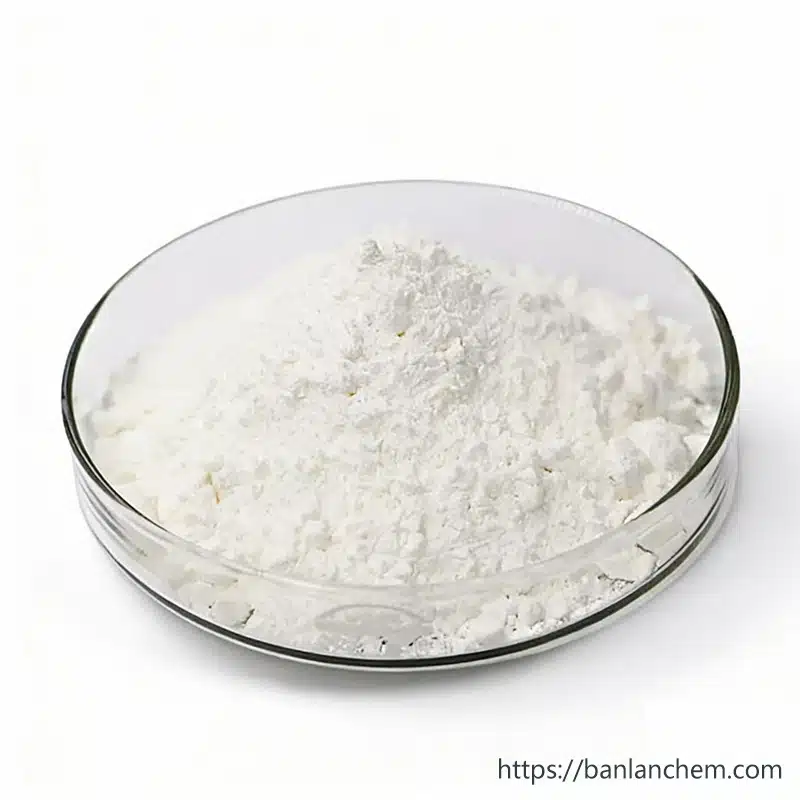
In Aluminum Hydroxide vs Magnesium Hydroxide, MDH is usually the “high-temperature” option. But it can cost more and may require strong dispersion control.
How ATH and MDH Work as Flame Retardants
Both ATH and MDH work by releasing water when heated. This cools the surface and slows the burning process.
- They absorb heat.
- They release water vapor to dilute flammable gases.
- They form a protective layer that reduces oxygen contact.
- They help reduce smoke.
That is why aluminum hydroxide vs magnesium hydroxide is a common comparison for halogen-free systems.
For a deeper explanation, this article shows
how aluminum hydroxide is used in flame retardant systems across cables, plastics, and insulation materials.
Aluminum Hydroxide vs Magnesium Hydroxide: Key Differences
Here is a practical comparison. It focuses on what matters in real compounding work.
| Item | Aluminum Hydroxide (ATH) | Magnesium Hydroxide (MDH) |
|---|---|---|
| Decomposition temperature | Lower | Higher |
| Best for processing temperature | Lower to medium | Medium to high |
| Smoke reduction | Good | Good |
| Typical filler loading | High | High |
| Cost level | Often lower | Often higher |
| Common surface treatment | Silane / stearate / other | Silane / stearate / other |
In short, Aluminum Hydroxide vs Magnesium Hydroxide mainly comes down to process temperature, target performance, and cost.
Which One Is Better by Application?
Below is a simple application guide. Use it as a starting point.
1) Wire & Cable Compounds
- If your cable compound runs at lower processing temperature, ATH can be a strong option.
- If your cable compound needs higher processing temperature, MDH may be more stable.
So in aluminum hydroxide vs magnesium hydroxide for cables, the key is the polymer and extrusion temperature.
2) Rubber and Elastomers
- ATH is widely used and often cost-effective.
- MDH can be used when higher heat resistance is needed.
3) Insulation Foam and Building Materials
- ATH is commonly selected for smoke suppression and cost control.
- MDH can be used for higher-temperature systems, but the cost may be higher.
4) PP / PE and Polyolefin Systems
- MDH is frequently selected because of higher heat stability.
- ATH can still work in some low-temperature processes.
5) Thermoset Composites (SMC/BMC, etc.)
- Both can be used, depending on cure process and target flame rating.
- Surface treatment and dispersion are critical.
Filler Loading, Processing, and Compatibility
In most halogen-free systems, ATH and MDH require relatively high loading to reach strong flame retardant performance.
Key processing points:
- Particle size affects surface area and dispersion.
- Whiteness and purity matter for plastics and visible products.
- Surface treatment can improve compatibility and reduce viscosity increase.
- Moisture control helps keep stable processing and good surface finish.
If your compound becomes too stiff at high loading, consider:
- Using treated grades
- Optimizing coupling agent
- Adjusting plasticizer or resin ratio
- Testing different particle size distributions
For many buyers, choosing between aluminum hydroxide vs magnesium hydroxide is also a “process choice,” not only a “flame rating choice.”
Common Standards and Test Notes
Flame retardant performance depends on formulation and testing method. Common tests include:
- UL 94 (V-0, V-1, V-2)
- LOI (Limiting Oxygen Index)
- Glow-wire tests for electrical parts (in some markets)
- Smoke density and toxicity tests (project-based)
Tip: Always confirm the test thickness, sample conditioning, and standard version. Small changes can affect results.
How to Choose a Reliable Manufacturer / Supplier
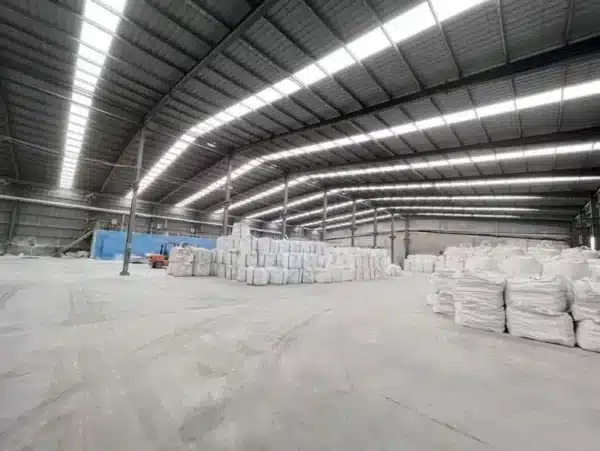
Choosing the right Manufacturer, Supplier, or Factory affects performance and consistency.
Before placing bulk orders, ask for:
- COA with key specs (purity, particle size, moisture)
- MSDS and handling guidance
- Batch consistency information
- Surface treatment details (if treated grades)
- Application recommendation for your polymer
If you need stable supply for export, choose a supplier that supports:
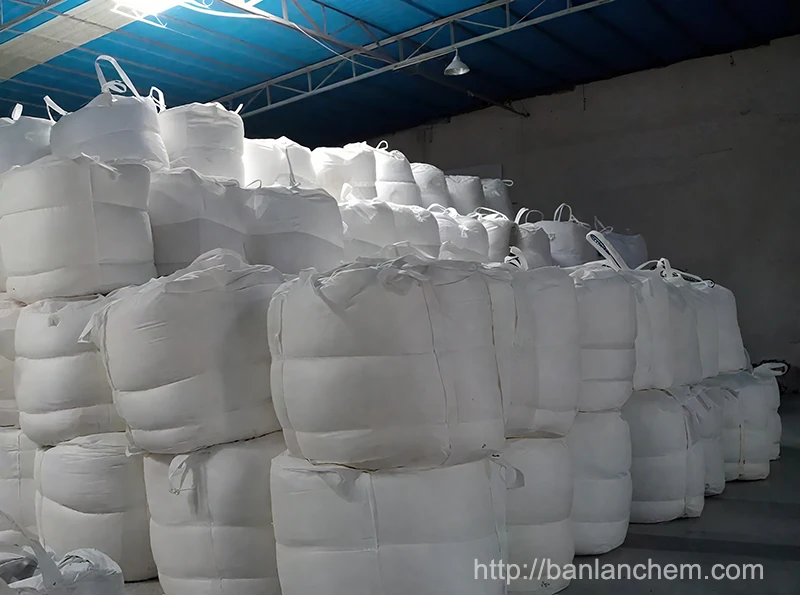
- Bulk packing options
- Private label support (if needed)
- Long-term Wholesale cooperation
FAQ
Is aluminum hydroxide the same as alumina trihydrate?
In many industrial contexts, aluminum hydroxide is also called alumina trihydrate (ATH). Specs can vary by grade and producer.
Which is better for high processing temperatures?
In many cases, magnesium hydroxide (MDH) is selected for higher processing temperatures. Always confirm with your polymer and process.
Can ATH and MDH be used together?
Sometimes, yes. Some systems use blends to balance cost, processing, and flame performance. Testing is required.
What matters most when choosing between aluminum hydroxide vs magnesium hydroxide?
Focus on processing temperature, target flame rating, smoke requirements, filler loading limit, and total cost.
Aluminum Hydroxide vs Magnesium Hydroxide is a practical choice. The best result comes from matching the grade to the system, not from picking one material blindly.