

Is Aluminum Hydroxide Safe? Safety, Uses, and Regulatory Considerations
Date: January-07-2026 Categories: News、Aluminium Hydroxide Views: 251
Is aluminum hydroxide safe? The short answer is: it depends on the grade, the use case, and how it is handled. In industrial supply chains, aluminum hydroxide is commonly used as a flame retardant filler and functional additive. It is also called ATH (aluminum trihydrate). This page explains what “safe” usually means in practice. It also covers common hazards, handling tips, and regulatory points.
Table of Contents
- What Is Aluminum Hydroxide (ATH)?
- Quick Answer: Is Aluminum Hydroxide Safe?
- Is Aluminum Hydroxide Safe for Industrial Applications?
- Is Aluminum Hydroxide Safe for Human Contact?
- Common Hazards and Risk Factors
- Safe Handling and Storage Checklist
- Regulatory and Compliance Considerations
- How to Choose a Safer Grade for Your Use
- FAQ
- Manufacturer, Supplier, Factory, Wholesale Support
What Is Aluminum Hydroxide (ATH)?
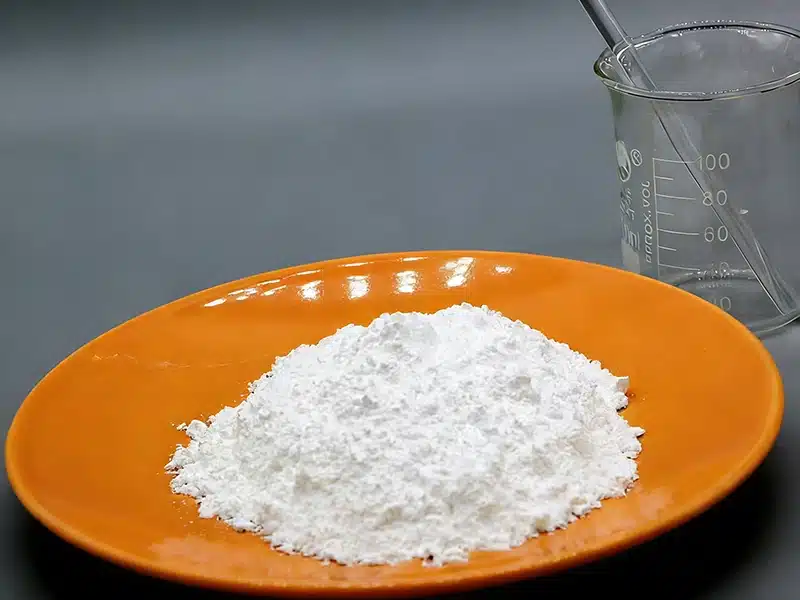
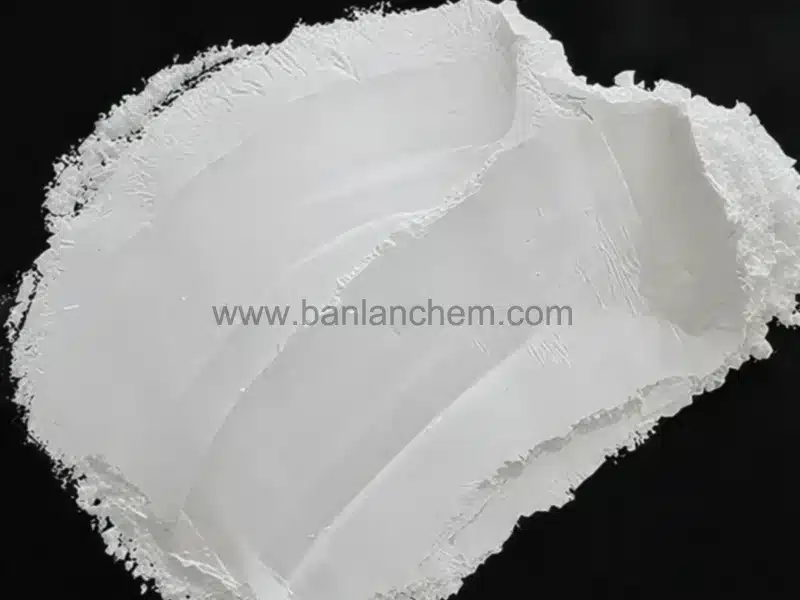
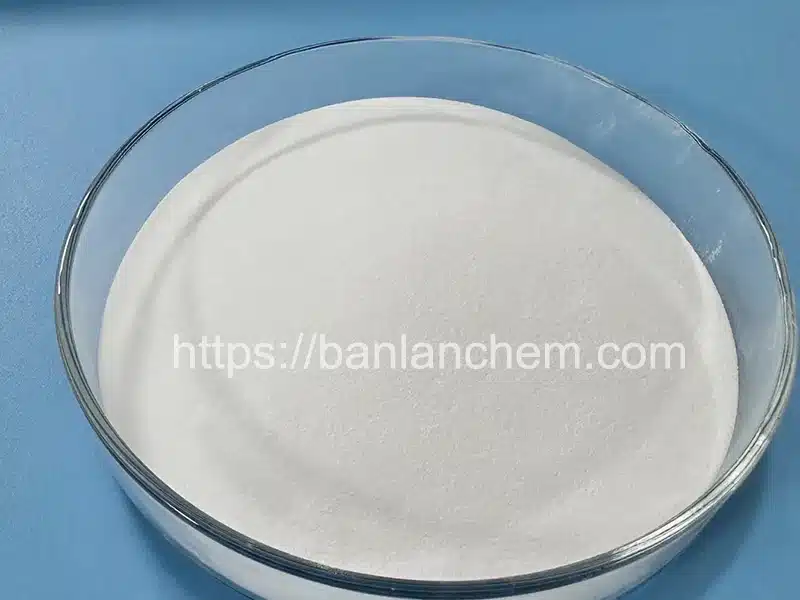
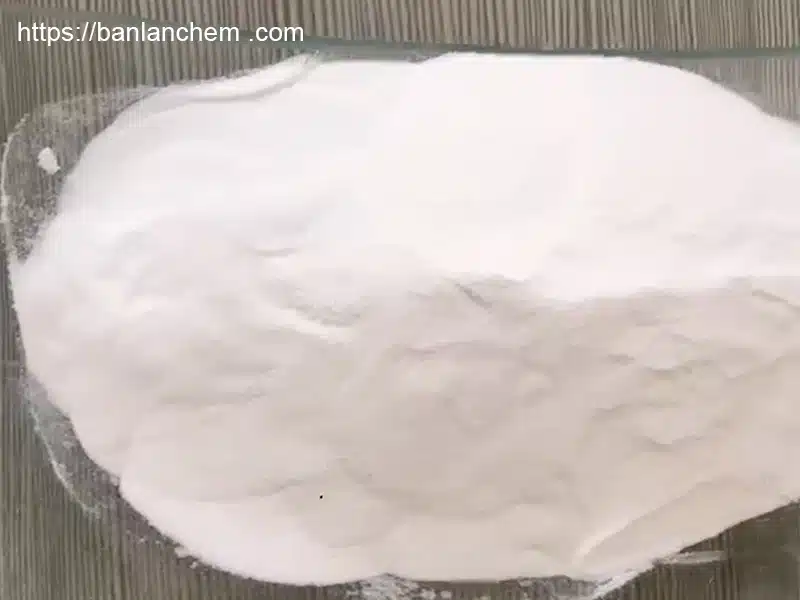
Aluminum hydroxide is an inorganic compound with the formula Al(OH)3. In many industrial documents it is called aluminum trihydrate. The shorthand name ATH is widely used in plastics, cable compounds, rubber, and construction materials. Most commercial grades are white powders. They vary by particle size, purity, moisture, and surface treatment.
If you need a basic overview of applications, you can also read our structured guide on aluminum hydroxide uses. For product specs and supply information, see our Aluminum Hydroxide Powder (ATH) page.
Quick Answer: Is Aluminum Hydroxide Safe?
Is aluminum hydroxide safe is a common question. In industrial settings, it is generally considered safe to handle when:
- the correct grade is selected for the application
- the product is used as intended in a manufacturing process
- standard dust-control and personal protective measures are followed
- the safety data sheet (SDS) is reviewed and applied
Safety is not a single yes-or-no label. It is a practical checklist. The key is to match the material to the use case and manage exposure risks.
Is Aluminum Hydroxide Safe for Industrial Applications?
For many industrial uses, aluminum hydroxide is used as a flame retardant filler and smoke suppressant. In these applications, the main safety focus is usually not chemical toxicity. It is dust exposure and workplace hygiene. This is why many searches for is aluminum hydroxide safe are really asking about safe handling in factories.
Typical industrial use cases
- halogen-free flame retardant (HFFR) wire and cable compounds
- plastics and polymer compounding (EVA, PE blends, etc.)
- rubber products and industrial parts
- construction composites and certain coatings
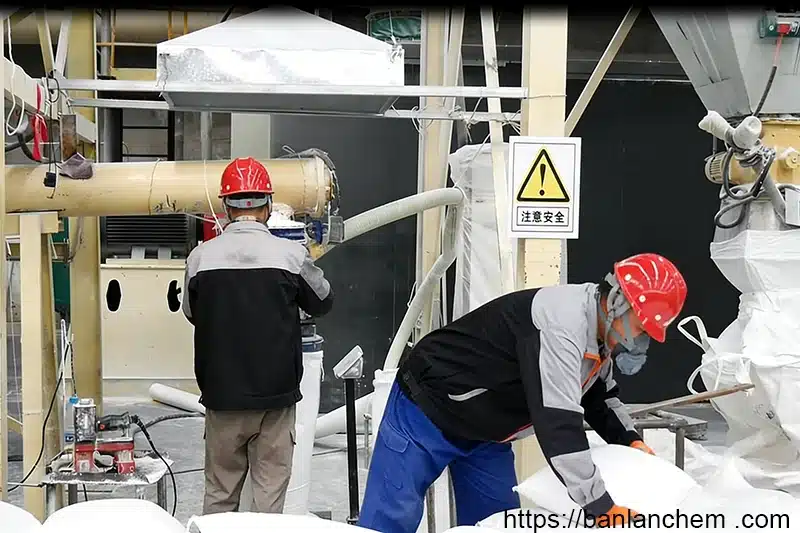
When used in these areas, ATH is commonly handled as a fine mineral powder. The safety approach is similar to other industrial fillers. Control dust, use proper PPE, and follow your SDS.
Is Aluminum Hydroxide Safe for Human Contact?
This question depends strongly on context. Industrial aluminum hydroxide powders are designed for manufacturing use. They are not automatically the same as pharmaceutical or food-related grades. So when you ask is aluminum hydroxide safe for human contact, you should separate cases:
- Industrial contact: focus on dust control and skin/eye protection during handling.
- Consumer product contact: depends on the final product design, processing, and compliance rules.
- Medical, food, or personal care: depends on specific standards, grade requirements, and local regulations.
If you work in regulated industries, always confirm grade suitability through documentation and compliance checks. Do not assume an industrial filler grade can be used in regulated consumer or medical contexts.
Common Hazards and Risk Factors
In most manufacturing environments, the main hazards related to ATH are physical and operational. These points matter for anyone searching is aluminum hydroxide safe for factory use.
1) Dust and inhalation risk
- Fine powders can become airborne during loading, mixing, or bag opening.
- Dust control reduces inhalation exposure and keeps the workplace clean.
2) Eye and skin irritation
- Powder contact may cause mechanical irritation.
- Use gloves and eye protection during manual operations.
3) Housekeeping and slip risk
- Powder spills can create slip hazards.
- Use standard cleanup procedures and avoid dry sweeping when possible.
4) Compatibility and formulation risk
- Wrong particle size or moisture can affect processing stability.
- Inconsistent dispersion can lead to defects and quality complaints.
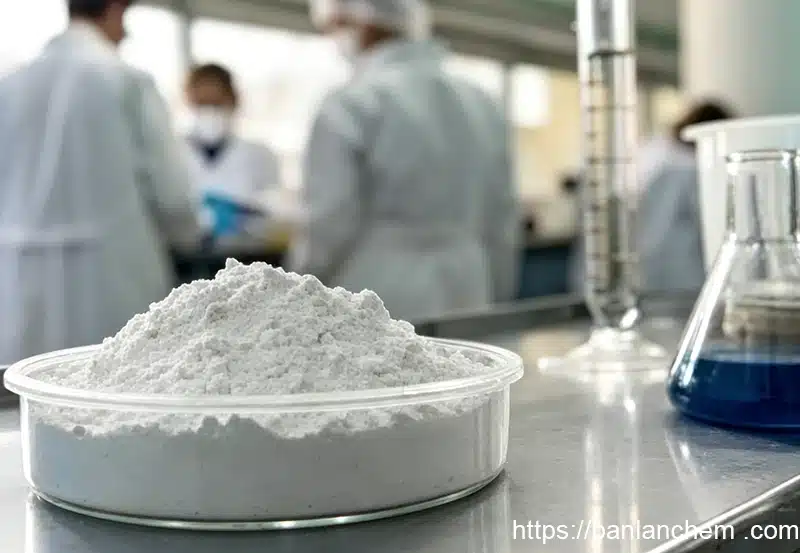
Safe Handling and Storage Checklist
If your goal is to handle ATH safely in production, use this checklist. It is practical and it answers the intent behind is aluminum hydroxide safe.
Personal protection (PPE)
- Use eye protection when opening bags or feeding powder.
- Use suitable masks or respirators when dust may occur.
- Wear gloves for prolonged contact or manual cleaning operations.
Dust control
- Use local exhaust ventilation at feeding and mixing points.
- Use closed transfer systems if the line runs at high throughput.
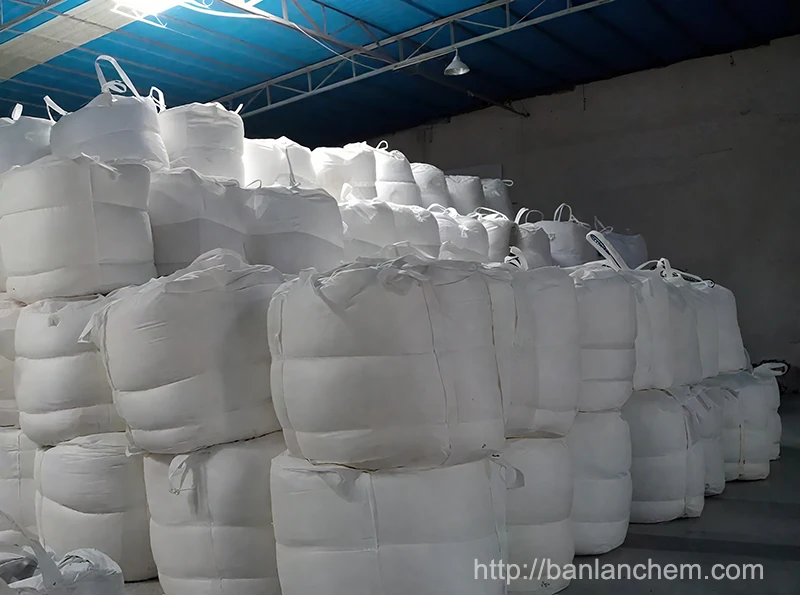
- Keep bags sealed until use.
Storage
- Store in a dry, clean area.
- Keep pallets off the ground if humidity is high.
- Rotate inventory to avoid long storage times.
Handling workflow
- Add powder slowly to reduce agglomeration and dust bursts.
- Keep feeding order consistent for stable dispersion.
- Use proper housekeeping rules for spilled powders.
Always review the specific SDS for your supplied grade. Plant rules and local laws may require additional controls.
Regulatory and Compliance Considerations
If you search is aluminum hydroxide safe, you may also be asking whether the material is accepted under common compliance frameworks. Regulatory requirements depend on your country, your industry, and your final product category.
- SDS (Safety Data Sheet): confirm hazards, exposure controls, and handling steps.
- Industrial chemical compliance: confirm status for your market and customer requirements.
- Restricted substances policies: some customers request RoHS or similar statements for specific product categories.
- Regulated end uses: food, medical, or cosmetic uses require specific grades and documentation.
A reliable supplier should provide clear documentation such as COA (certificate of analysis) and SDS. For guidance on supplier evaluation, see: How to Choose a Reliable Aluminum Hydroxide Powder Supplier.
How to Choose a Safer Grade for Your Use
Many safety issues are actually grade-selection issues. If you want fewer problems in production, choose a grade that matches your process. Below is a simple selection method.
Step 1: Define the application and performance target
- wire and cable compound (HFFR)
- plastics or polymer compounding
- rubber products
- coatings, adhesives, or construction composites
Step 2: Confirm particle size and dispersion needs
- Finer grades may improve finish but can increase dust and viscosity.
- Coarser grades may feed easier but can affect surface appearance.
Step 3: Check purity and whiteness
- High whiteness helps light-colored products and improves appearance.
- Purity consistency helps stable processing and product quality.
Step 4: Decide on surface treatment
- Surface-treated ATH may improve dispersion in certain polymers.
- Untreated grades can be suitable for many standard systems.
Step 5: Run a sample trial with your real process
- Test feeding stability, dust control, and dispersion behavior.
- Check final product fire and smoke performance based on your standard.
FAQ
Is aluminum hydroxide safe to handle in a factory?
In many factories, aluminum hydroxide is handled safely when dust is controlled and standard PPE is used. Always follow your SDS and site safety rules.
Is aluminum hydroxide safe in flame retardant filler applications?
For industrial flame retardant filler use, ATH is widely used. Safety focus is usually on powder handling, dust control, and consistent processing. End-use safety depends on the final product design and compliance requirements.
Does ATH cause smoke in a fire?
Many manufacturers use ATH in systems that aim for lower smoke. Actual results depend on the full formulation and the test standard.
Is aluminum hydroxide safe for regulated industries?
Regulated industries may require specific grade suitability and documentation. Confirm compliance with your supplier and your local regulatory requirements.
Manufacturer, Supplier, Factory, Wholesale Support
Banlan is an aluminum hydroxide Manufacturer and Supplier serving industrial customers. Our Factory supports stable quality control, consistent supply, and export-ready documents. We provide Wholesale ATH powder for flame retardant filler and industrial additive applications.