

What Is Alumina Oxide? Definition, Properties, Uses, and Industrial Applications
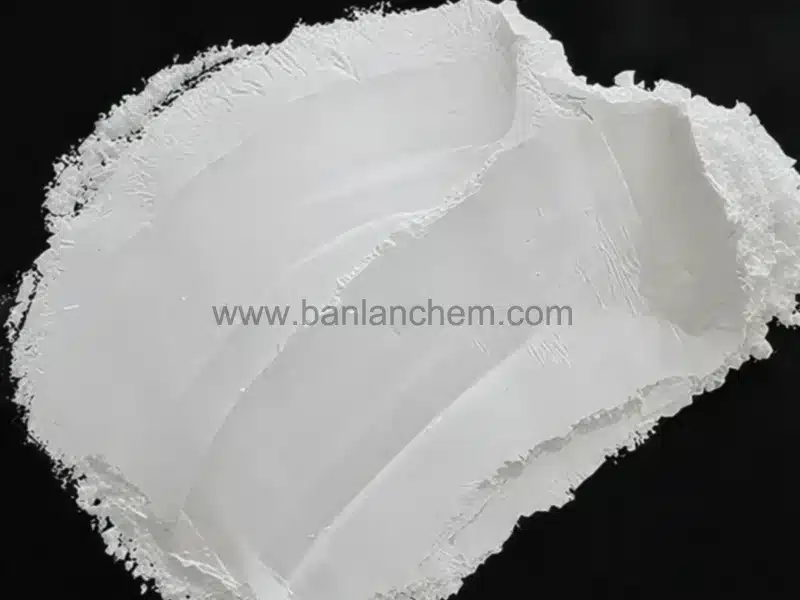
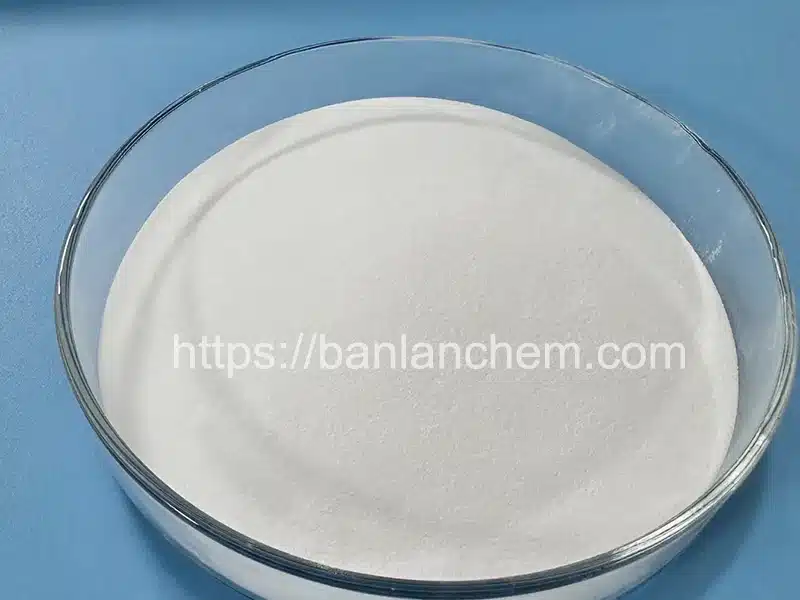
What is alumina oxide? This is a common question in materials science, ceramics, electronics, and industrial manufacturing. Alumina oxide is also known as aluminum oxide or alumina. Its chemical formula is Al2o3.
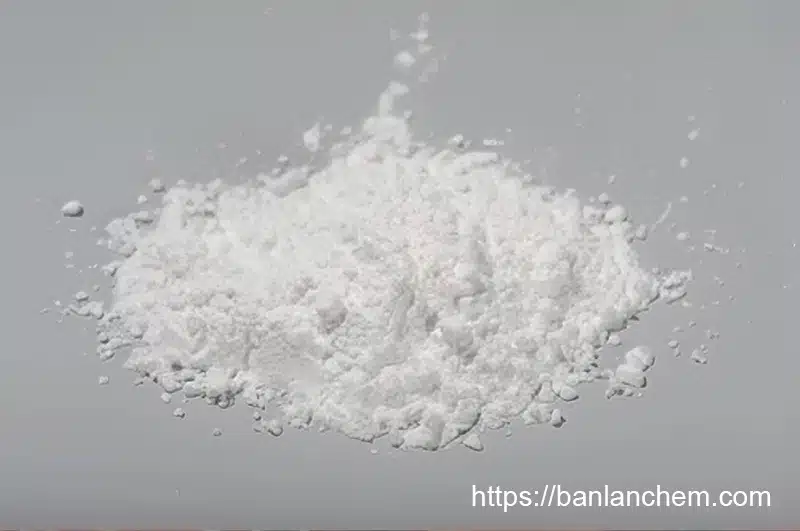
Alumina oxide is one of the most widely used ceramic materials in the world. It is hard. It is stable. It resists heat and chemicals. Because of these features, alumina oxide appears in many industries.
This page explains what alumina oxide is, how it is made, its key properties, and where it is used. The content is written for engineers, buyers, and manufacturers. It follows Google SEO best practices.
Table of Contents
- What Is Alumina Oxide?
- What Is Alumina Oxide Made Of?
- Properties of Alumina Oxide
- Types of Alumina Oxide
- Phase Diagram of Alumina Oxide
- What Is Alumina Oxide Used For?
- Alumina Oxide Applications by Industry
- Alumina Oxide as a Filler Material
- Alumina Oxide Dust and Safety
- Is Alumina Oxide a Metal?
- How to Choose Alumina Oxide
- China Manufacturer, Supplier, Factory, Wholesale
- FAQ
What Is Alumina Oxide?
Alumina oxide is a ceramic compound made from aluminum and oxygen. It is commonly called aluminum oxide. In industrial documents, it is often called alumina.
When people ask what is alumina oxide, they usually want to know its basic nature. Alumina oxide is:
- A ceramic material
- Non-metallic
- Very hard
- Highly heat resistant
- Electrically insulating
Alumina oxide is different from aluminum metal. Aluminum metal is soft and conductive. Alumina oxide is hard and insulating.
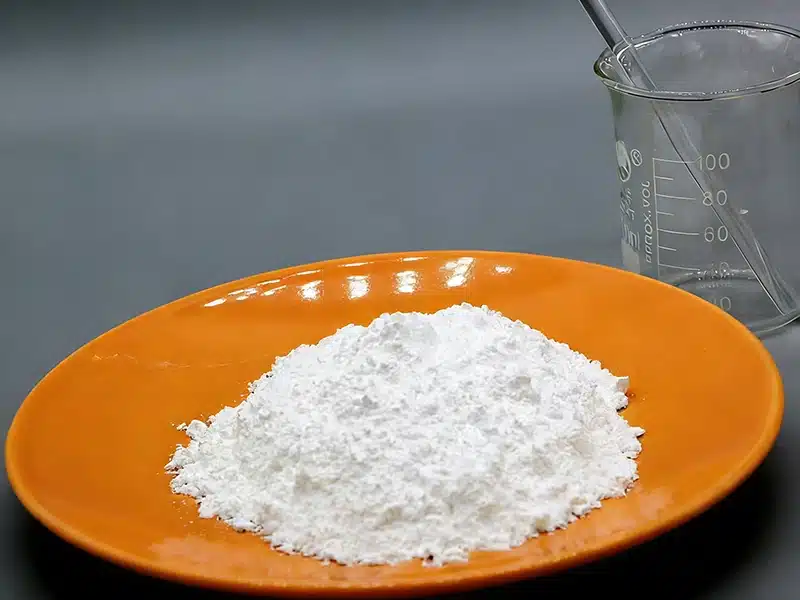
In industrial supply chains, alumina oxide is often sold in powder form. Different grades are designed for ceramics, refractories, polishing, and fillers. You can view detailed specifications, particle size options, and supply information on our alumina powder.
What Is Alumina Oxide Made Of?
Another common question is: what is alumina oxide made of?
Alumina oxide is made from aluminum-containing raw materials. The most common source is bauxite. Bauxite is refined into aluminum hydroxide. Then aluminum hydroxide is heated. Water is removed. The result is alumina oxide.
In simple terms, alumina oxide is made of:
- Aluminum
- Oxygen
The heating process is called calcination. The temperature controls the crystal structure. Different structures lead to different properties.
If you want a more detailed explanation of the production process and material background, you can also read our guide: What Is Alumina Powder? This article explains alumina oxide from a practical industrial view.
Properties of Alumina Oxide
The properties of alumina oxide explain why it is used so widely. Below are the key properties that matter in industry.
- High hardness. Alumina oxide resists wear and abrasion.
- High melting point. It performs well at high temperatures.
- Chemical resistance. It resists many acids and alkalis.
- Electrical insulation. It does not conduct electricity.
- Thermal stability. It keeps strength under heat.
Because of these properties, alumina oxide is often used where metals fail. This is common in harsh or high-temperature environments.
Types of Alumina Oxide
There are several types of alumina oxide. Each type is defined by its crystal phase and processing method.
Alpha Alumina Oxide
Alpha alumina oxide is the most stable form. It has high density and high hardness. It is widely used in structural ceramics.
Gamma Alumina Oxide
Gamma alumina oxide has high surface area. It is porous. It is often used as a catalyst support.
Activated Alumina Oxide
Activated alumina oxide is used for adsorption. It removes moisture and impurities. It is common in water and gas treatment.
Calcined Alumina Oxide
Calcined alumina oxide is produced by controlled heating. It is used in ceramics, refractories, and polishing.
Fused Alumina Oxide
Fused alumina oxide is made by electric arc fusion. It is used in abrasives and grinding tools.
Phase Diagram of Alumina Oxide
The phase diagram of alumina oxide shows how alumina changes with temperature. As temperature increases, alumina goes through several phase transitions.
- Hydroxide and precursor phases
- Transition alumina phases
- Stable alpha alumina oxide
The phase diagram is important because:
- It affects hardness
- It affects density
- It affects sintering behavior
- It affects chemical activity
Engineers use the phase diagram to select the right alumina oxide type.
Many users also compare alumina oxide with other aluminum-based materials. For a clear comparison, you may find this article helpful: What Is the Difference Between Alumina Powder and Aluminum Hydroxide?
What Is Alumina Oxide Used For?
What is alumina oxide used for? The answer depends on the industry. Alumina oxide is used wherever heat, wear, or insulation is required.
Common uses include:
- Ceramic components
- Refractory linings
- Electrical insulation parts
- Polishing and lapping powders
- Fillers in plastics and rubber
These are some of the most common alumina oxide uses worldwide.
Alumina Oxide Applications by Industry
Ceramics Industry
In ceramics, alumina oxide is a core raw material. It is used to produce tubes, rods, plates, and wear parts.
Refractory Industry
Refractories use alumina oxide to resist heat. It improves strength and service life.
Electronics Industry
Alumina oxide ceramics provide insulation and thermal management. They are used in substrates and electronic packages.
Polishing Industry
Fine alumina oxide powders are used for surface finishing. They deliver controlled cutting and smooth surfaces.
Chemical Industry
Porous alumina oxide is used as catalyst support and adsorbent.
Alumina Oxide as a Filler Material
Alumina oxide is widely used as a filler. It improves thermal conductivity. It improves mechanical strength. It improves electrical insulation.
Typical filler applications include:
- Thermal interface materials
- Electrical insulating compounds
- Industrial coatings
- Engineering plastics
Filler grade alumina oxide often requires controlled particle size.
Alumina Oxide Dust and Safety
Alumina oxide dust can appear during handling. Fine powders require dust control.
- Use dust collection systems
- Wear protective masks
- Maintain ventilation
With proper handling, alumina oxide is safe for industrial use.
Is Alumina Oxide a Metal?
No. Alumina oxide is not a metal. It is a ceramic oxide.
Aluminum metal is conductive and soft. Alumina oxide is insulating and hard. This difference is important in material selection.
How to Choose Alumina Oxide
Choosing alumina oxide depends on application needs.
- Choose alpha alumina for strength
- Choose gamma alumina for surface area
- Choose activated alumina for adsorption
- Choose fused alumina for abrasives
Particle size and purity also matter.
China Manufacturer, Supplier, Factory, Wholesale
China is one of the largest producers of alumina oxide. Working with a reliable China Manufacturer and Supplier is important.
BanlanChem is a China-based Manufacturer and Factory specializing in alumina oxide materials.
We support:
- Industrial-grade alumina oxide
- Stable quality control
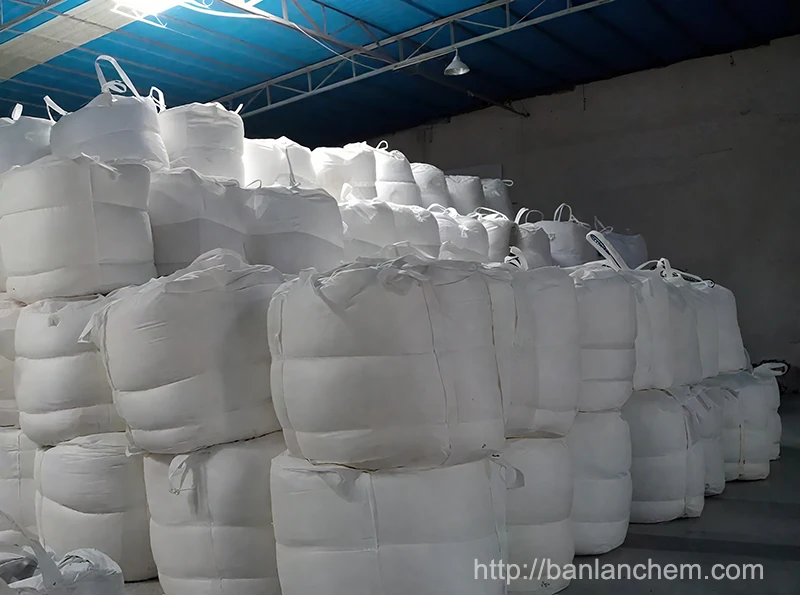
- Bulk and Wholesale supply
- OEM packaging support
FAQ
What is alumina oxide?
Alumina oxide is aluminum oxide with the formula Al2O3. It is a hard and heat-resistant ceramic material.
What is alumina oxide used for?
Alumina oxide is used in ceramics, refractories, electronics, polishing, and fillers.
Is alumina oxide the same as aluminum?
No. Aluminum is a metal. Alumina oxide is a ceramic compound.
Where can I buy alumina oxide wholesale?
You can source alumina oxide from a China-based manufacturer like BanlanChem for wholesale and bulk supply.