

How Is Aluminum Hydroxide Made? Industrial Production Process Explained
Date: March-18-2026 Categories: News、Aluminium Hydroxide Views: 197
Aluminum hydroxide is one of the most widely used inorganic materials in modern industry. It is used in flame retardants, fillers, chemicals, ceramics, plastics, rubber, solid surface materials, and many other products. Many buyers, engineers, and importers ask the same question: how is aluminum hydroxide made?
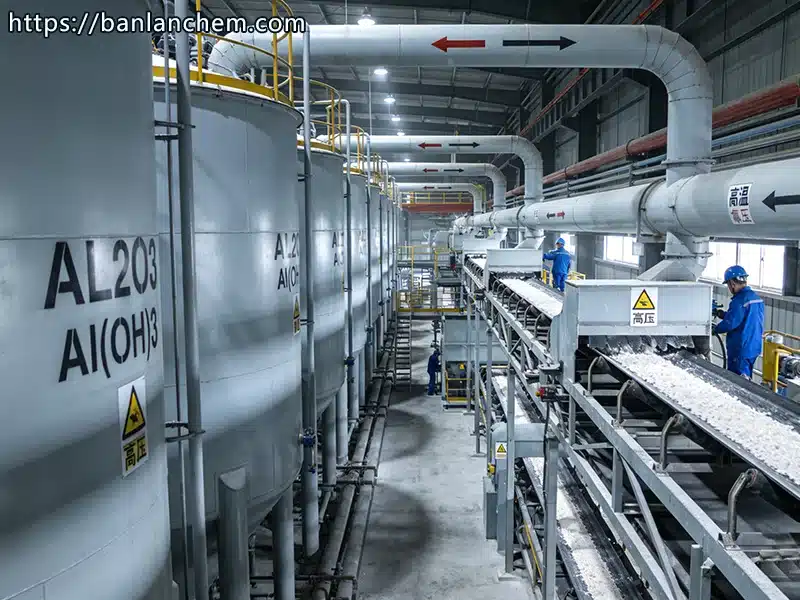
This article gives a clear answer to how is aluminum hydroxide made. It explains the main raw materials, the key process steps, the quality factors, and the link between aluminum hydroxide and alumina products. It is written in simple language, but it also covers real industrial logic. This makes it useful for buyers, distributors, and technical users.
If you are searching for a reliable manufacturer, supplier, factory, or wholesale source, understanding how is aluminum hydroxide made can help you choose the right product and the right partner.
At BanlanChem, we supply aluminum hydroxide and alumina materials for many industrial uses. We focus on stable quality, practical grades, and long-term supply support for global customers.
Table of Contents
- What Is Aluminum Hydroxide?
- Why Do People Search How Is Aluminum Hydroxide Made?
- Short Answer: How Is Aluminum Hydroxide Made?
- Raw Materials Used in Production
- What Is the Bayer Process?
- Industrial Production Process Explained Step by Step
- What Affects Aluminum Hydroxide Quality?
- Why Are There Different Grades?
- Common Uses of Aluminum Hydroxide
- Aluminum Hydroxide vs Alumina
- How to Choose a Good Manufacturer or Supplier
- Why Choose BanlanChem
- FAQ
- Conclusion
What Is Aluminum Hydroxide?
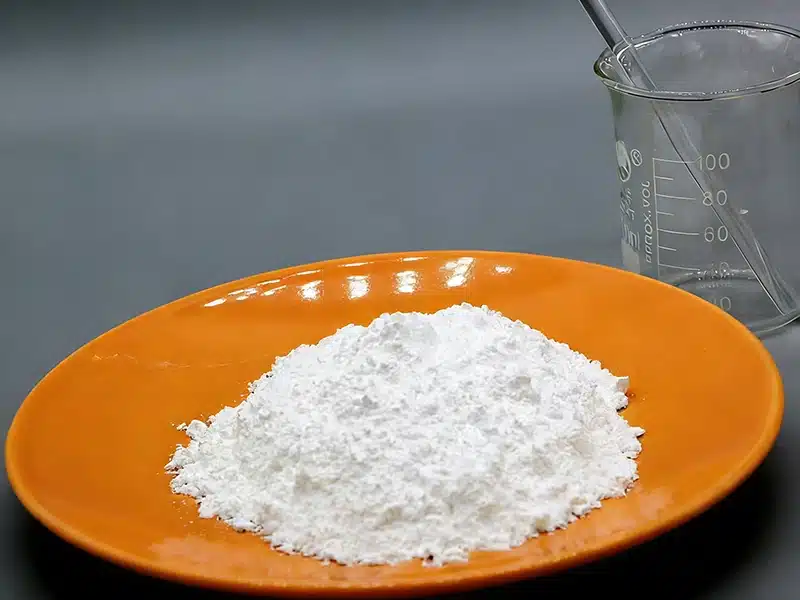
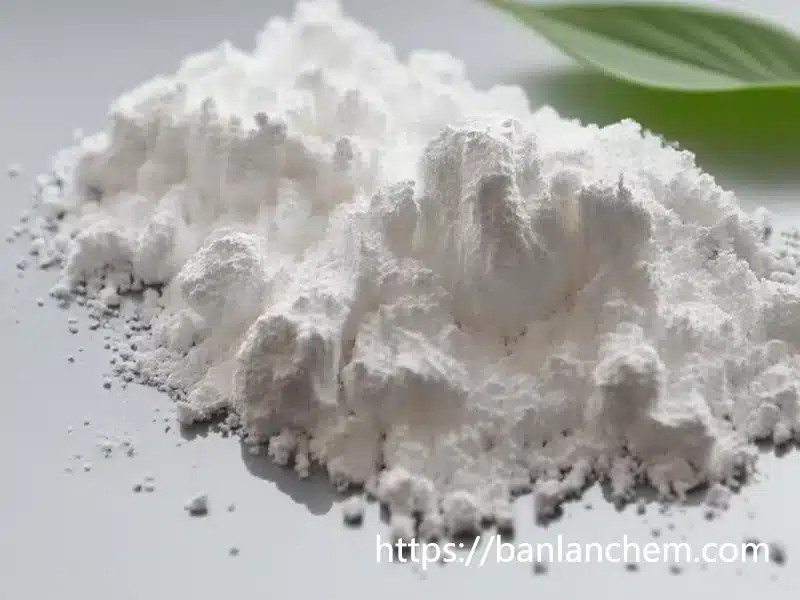
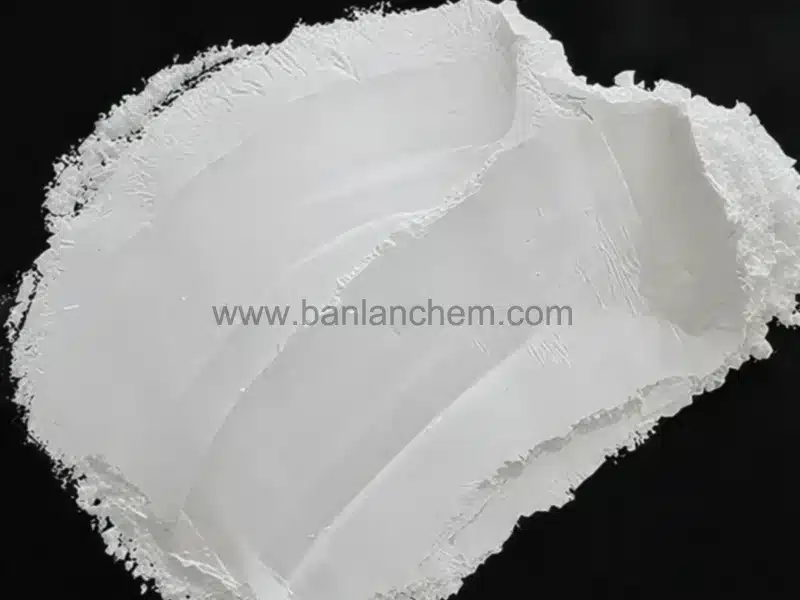
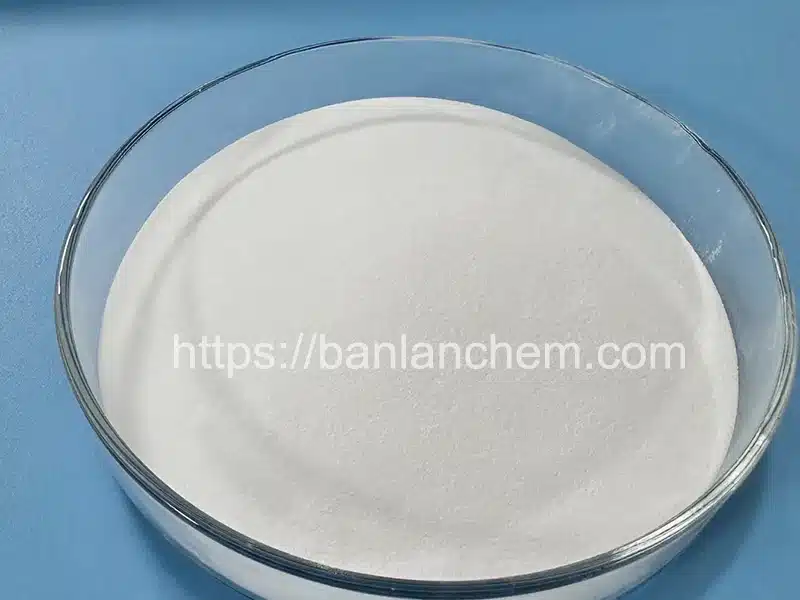
Aluminum hydroxide is an inorganic compound with the formula Al(OH)3. In many industries, it is also called ATH, which stands for alumina trihydrate. It is known for its good whiteness, stable chemical behavior, fine particle options, and flame retardant properties.
In practical use, aluminum hydroxide is more than a chemical name. It is a functional industrial material. It can improve safety, filling performance, surface quality, and processing behavior in many end products.
That is why the question how is aluminum hydroxide made matters so much. Buyers do not only want a chemical formula. They want to know where the material comes from, how it is produced, and whether the product will be stable from batch to batch.
Why Do People Search How Is Aluminum Hydroxide Made?
The keyword how is aluminum hydroxide made has strong search value because it matches real buyer and technical intent. People who search this topic often want one of these things:
- Basic knowledge before buying
- Industrial process information
- Better understanding of raw materials
- Comparison between suppliers
- Knowledge about ATH and alumina links
- Support for flame retardant or filler applications
This means the topic is not only educational. It also has clear business value. A well-structured page about how is aluminum hydroxide made can attract traffic from engineers, importers, product managers, and wholesale buyers.
Short Answer: How Is Aluminum Hydroxide Made?
How is aluminum hydroxide made? In industrial production, it is mainly made from bauxite through the Bayer process. In simple terms, bauxite is treated with caustic soda under controlled conditions. The useful alumina part enters the solution. After impurities are removed, aluminum hydroxide is precipitated from the solution, then filtered, washed, dried, and classified.
This is the direct answer to how is aluminum hydroxide made. But for real industrial use, the short answer is not enough. Product quality depends on ore quality, process control, precipitation conditions, washing efficiency, and particle size management.
Raw Materials Used in Production
To understand how is aluminum hydroxide made, we should first look at the starting materials.
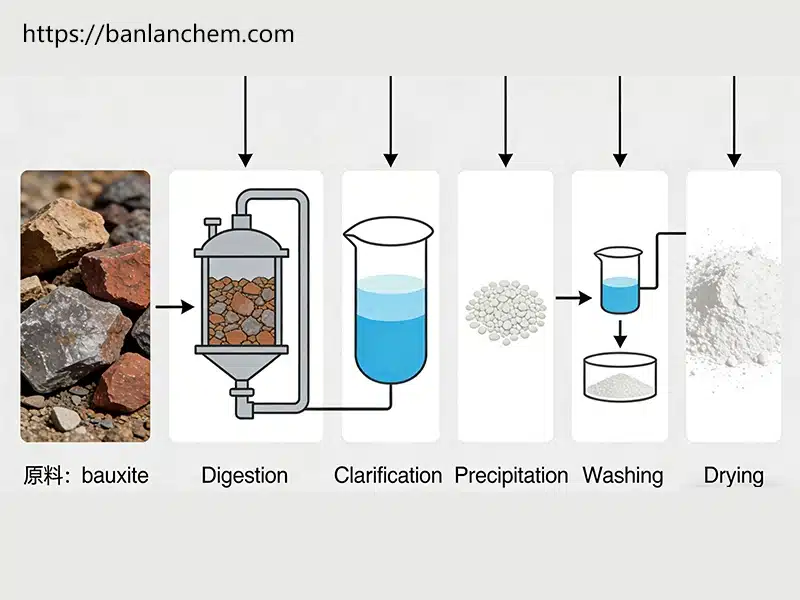
- Bauxite: the main natural ore source used in aluminum hydroxide production
- Sodium hydroxide: used to dissolve the alumina-bearing part of the ore
- Water: used in digestion, washing, separation, and other process steps
- Seed crystals: added during precipitation to control particle growth
The quality of bauxite has a big effect on the final product. If the ore contains too many impurities, production becomes harder. A skilled factory must control the process carefully to keep purity and whiteness at a stable level.
Good raw materials do not guarantee a good final product by themselves. A good manufacturer also needs strong process control. This is why buyers should not choose a supplier by price only.
What Is the Bayer Process?
The Bayer process is the main industrial route used to produce aluminum hydroxide and alumina-related intermediates from bauxite. It is one of the most important methods in the alumina industry.
When people ask how is aluminum hydroxide made, the Bayer process is usually the core of the answer. The basic idea is simple:
- The bauxite is treated with caustic soda
- The useful alumina part dissolves into the liquid phase
- Insoluble materials are removed
- Aluminum hydroxide is precipitated from the cleaned solution
Although the basic idea looks simple, industrial execution is not simple. Temperature, pressure, concentration, seed loading, washing, and drying must all be well controlled. This is what separates a low-level producer from a professional manufacturer or wholesale supplier.
Industrial Production Process Explained Step by Step
Below is a more detailed explanation of how is aluminum hydroxide made in industrial plants.
1. Ore Preparation
The first step is preparing the bauxite. The ore is crushed or ground so it can react better in the next process. This improves contact with the chemical solution and helps make the process more stable.
2. Digestion
The prepared bauxite is mixed with sodium hydroxide solution. Under heat and pressure, the alumina-bearing content dissolves and forms sodium aluminate liquor. This is one of the most important parts of how is aluminum hydroxide made.
3. Separation of Residue
After digestion, the insoluble residue is removed. This residue often contains unwanted minerals and other solids. If this step is poor, the final product may have lower purity or poorer appearance.
4. Clarification of Solution
The sodium aluminate solution is clarified to remove fine particles. A cleaner solution gives better precipitation control. Better control usually means better particle quality.
5. Seeded Precipitation
This step is central to how is aluminum hydroxide made. Seed crystals are added to the solution. Under controlled conditions, aluminum hydroxide starts to form and grow on these seeds. The choice of precipitation conditions affects particle size, particle shape, and product stability.
6. Solid-Liquid Separation
The aluminum hydroxide particles are separated from the mother liquor. This step is usually done by filtration or similar separation methods.
7. Washing
The filtered aluminum hydroxide is washed to reduce sodium residue and other remaining impurities. Good washing can improve product purity and make the material more suitable for demanding applications.
8. Drying
The wet product is dried to reduce moisture content. Stable drying helps improve product handling, storage, and later use in downstream processing.
9. Classification and Packaging
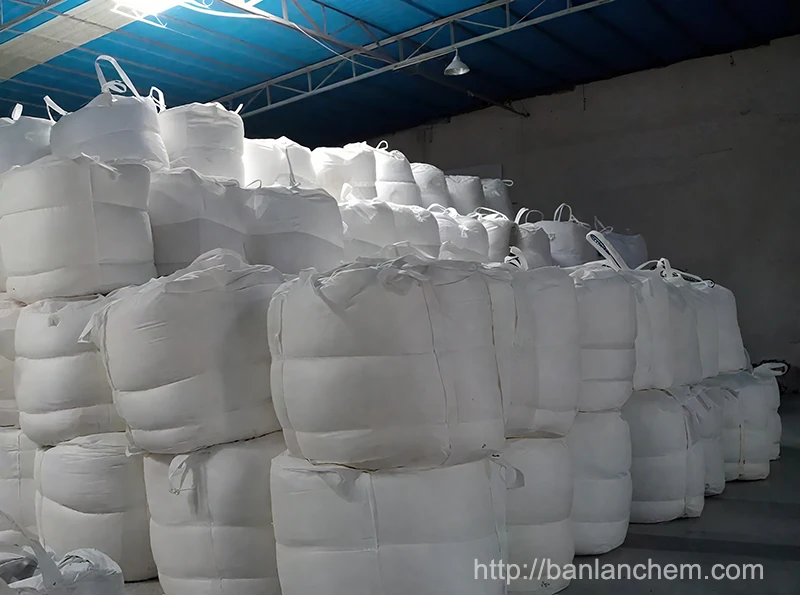
After drying, the product can be classified by particle size or grade. Then it is packed for different markets. Some grades are made for flame retardant filler use. Others are made for chemicals, ceramics, or special industrial use.
So, the full answer to how is aluminum hydroxide made includes much more than one chemical reaction. It is a controlled industrial chain that turns ore into a usable and consistent material.
What Affects Aluminum Hydroxide Quality?
Quality is one of the biggest concerns for any buyer. Even if two products have the same name, they may not perform the same way in production. That is why understanding how is aluminum hydroxide made is useful from a purchasing point of view.
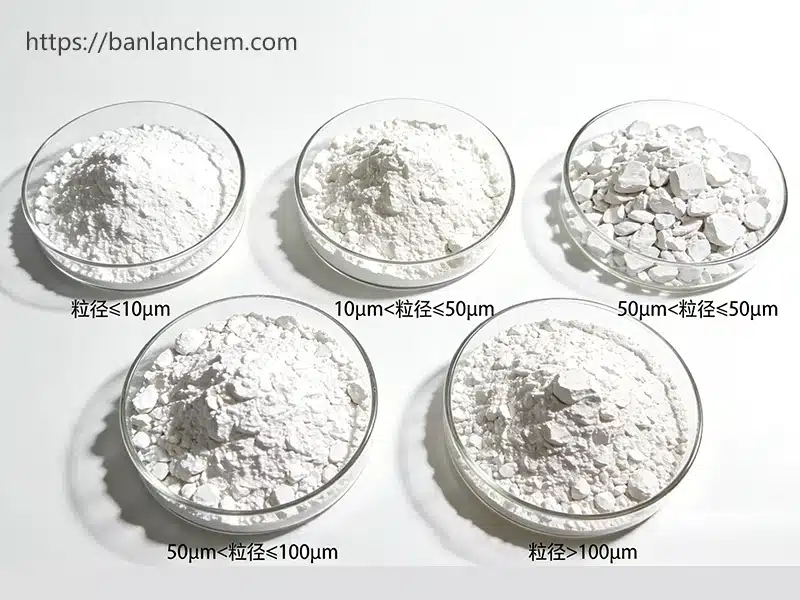
A good supplier or factory should control the following points:
- Purity: cleaner material often performs better
- Particle size: fine and coarse grades serve different uses
- Whiteness: important for visual quality and filler applications
- Moisture: stable moisture supports storage and processing
- Sodium residue: lower residue is often preferred
- Particle shape: affects dispersion and processing behavior
- Batch consistency: very important for long-term production lines
If you buy from a wholesale partner, ask more than just price. Ask for technical data, typical particle size range, application support, and supply consistency.
Why Are There Different Grades?
One more reason people search how is aluminum hydroxide made is because they notice that the market has many product grades. This happens because different end uses need different material properties.
For example:
- Flame retardant filler use may need controlled particle size and purity
- Solid surface materials may need good whiteness and stable size distribution
- Chemical use may focus more on purity and reactivity
- Ceramic or intermediate process use may need other specific properties
A professional manufacturer does not sell only one generic product. A good supplier provides multiple grades for different applications and helps customers choose the correct one.
Common Uses of Aluminum Hydroxide
Understanding how is aluminum hydroxide made becomes more valuable when we connect it to real industrial use. Aluminum hydroxide is used in many sectors.
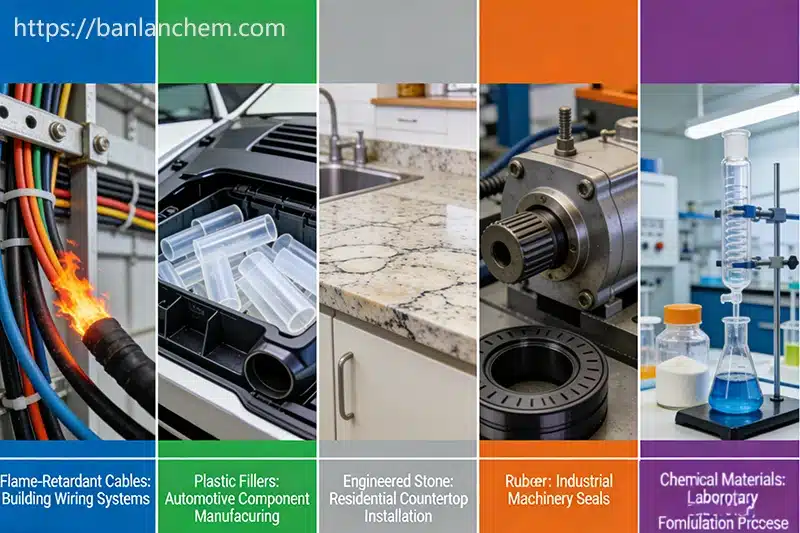
- Flame retardant fillers for cable compounds
- Plastics and rubber products
- Solid surface and engineered stone
- Chemical processing
- Paper and coating systems
- Ceramic applications
- Intermediate material for alumina production
Because it releases water during heating, aluminum hydroxide is widely used in flame retardant systems. That is one reason ATH is so important in cable, wire, polymer, and building-related applications.
For related reading, you can also visit:
- How Alumina Trihydrate Works as a Flame Retardant
- Alumina and Aluminum Oxide Products and Applications
Aluminum Hydroxide vs Alumina
Many users search aluminum hydroxide but later also search alumina or aluminum oxide. This is normal. The materials are related, but they are not the same.
- Aluminum hydroxide: Al(OH)3
- Alumina: Al2O3
When aluminum hydroxide is heated, it loses chemically bound water and changes into alumina. This means aluminum hydroxide is important not only as a filler material, but also as a starting point in some alumina-related process routes.
This also makes the topic how is aluminum hydroxide made very useful for SEO. It can connect naturally to other related product and article pages.
Useful internal links include:
This kind of structure helps Google understand the relationship between your knowledge pages and your product pages. It also helps users move from learning to buying.
How to Choose a Good Manufacturer or Supplier
If you already know how is aluminum hydroxide made, the next step is choosing the right source. This is very important for importers, traders, compound makers, and industrial plants.
Look for a manufacturer, supplier, factory, or wholesale partner that offers:
- Stable raw material sourcing
- Clear process control
- Consistent product data
- Suitable grades for your industry
- Reliable packaging and shipping
- Fast communication
- Long-term supply ability
A good partner should also answer practical questions, such as:
- Which grade fits my cable compound?
- Do you offer fine particle and coarse particle options?
- Can you support container orders?
- Can you supply on a regular wholesale schedule?
- Can you suggest a grade based on my final application?
These questions are often more important than one-time low pricing. In many industries, a stable product from a professional supplier saves much more money in the long run.
Why Choose BanlanChem
BanlanChem is a professional manufacturer, supplier, factory, and wholesale partner for aluminum hydroxide and alumina materials in China.
- Stable production and quality control
- Multiple grades for different industrial uses
- Support for bulk orders and long-term cooperation
- Practical communication for grade selection
- Global supply mindset for B2B customers
We understand that customers do not only ask how is aluminum hydroxide made. They also want to know:
- Can the product stay stable from one shipment to the next?
- Can the supplier support technical discussion?
- Can the factory deliver on time?
- Can the wholesale partner support repeat orders?
That is why we focus on quality, supply reliability, and clear communication.
FAQ
Is aluminum hydroxide made from bauxite?
Yes. In industrial production, aluminum hydroxide is mainly made from bauxite through the Bayer process.
How is aluminum hydroxide made in simple words?
It is made by treating bauxite with caustic soda, removing impurities, precipitating aluminum hydroxide from the solution, then washing, drying, and grading the final product.
What is the key step in how is aluminum hydroxide made?
The key step is controlled precipitation from sodium aluminate solution. This stage strongly affects particle size and product quality.
Why is washing important in aluminum hydroxide production?
Washing helps remove sodium residue and other impurities. This improves purity and supports better end-use performance.
Is aluminum hydroxide the same as alumina?
No. They are related, but they are different materials. Aluminum hydroxide can change into alumina after heating.
Why do different suppliers offer different aluminum hydroxide grades?
Because different applications need different properties. Some uses need fine particle size, some need high whiteness, and some focus more on purity or processing behavior.
How do I choose a good aluminum hydroxide manufacturer?
Choose a manufacturer with stable quality, clear technical data, good communication, and long-term supply ability. A reliable factory should also help you choose the right grade.
Can this article help support SEO rankings?
Yes. A page built around the keyword how is aluminum hydroxide made can support both informational rankings and commercial relevance, especially when it also connects naturally to product pages and related technical articles.
Conclusion
So, how is aluminum hydroxide made? It is mainly produced from bauxite through the Bayer process. The main steps include ore preparation, digestion, impurity removal, clarification, precipitation, washing, drying, and classification. Each step affects the purity, particle size, moisture, and final performance of the product.
For buyers, the question how is aluminum hydroxide made is not only about chemistry. It is also about quality, grade selection, and supply stability. Understanding the process helps you choose the right manufacturer, supplier, factory, or wholesale partner.
If you are looking for stable aluminum hydroxide, ATH-related materials, or alumina products, visit BanlanChem to learn more about our products and application support.